
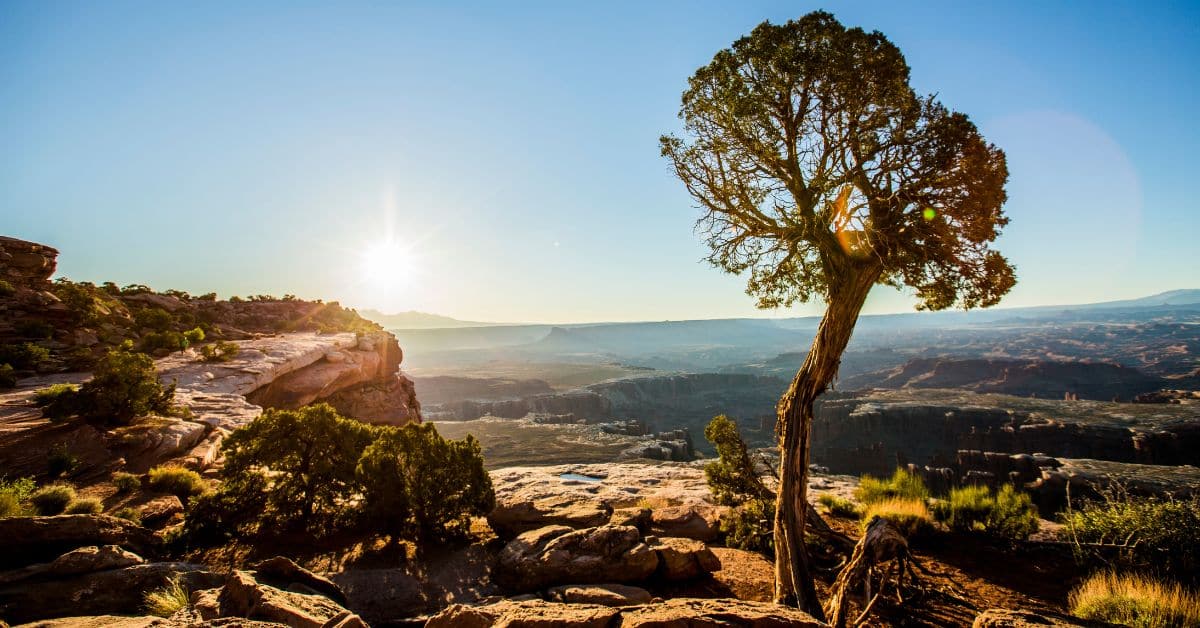
Moab Heat Safety: Start Early, Stay Shaded
Moab heat safety is one of the most important things to understand before stepping onto a trail, viewpoint, or slickrock overlook during the warmer months. Moab’s desert landscape is stunning, but summer heat here is intense, dry, and often underestimated by visitors who aren’t used to desert conditions.
This guide focuses on practical, easy-to-follow Moab heat safety habits that help tourists, hikers, and families enjoy the landscape while reducing risk and stress.
Table of Contents
Start Times
In Moab, your start time is your first safety decision. Desert days often ramp up quickly after sunrise, and by late morning the rock and sand can feel like they’re radiating heat from below as well as from above.
Aim for early morning activities. For many popular hikes and scenic walks, the safest window is dawn through mid-morning. That might mean wheels rolling before breakfast and headlamps in your pack just in case you’re starting in low light.
A simple planning rule that works well for visitors:
- Be on the trail at first light (or as close as you can).
- Turn around earlier than you think so you’re headed back before the hottest part of the day.
- Save midday for shade-heavy plans like short viewpoints, museums, a slow lunch, or a rest day.
Also factor in trailhead logistics. In peak season, parking fills early. If you arrive late, you may end up circling lots in the sun, burning water and energy before you even start. Early starts don’t just beat heat, they reduce stress and keep your schedule flexible.
Shade Stops
Shade in canyon country is not guaranteed. A trail that looks “kind of shaded” on a map can be fully exposed on the ground, and a thin desert shrub doesn’t count when the sun is overhead.
Plan your route with shade in mind, then treat shade like a scheduled resource, not a lucky bonus. Good shade stops include:
- Canyon walls that block direct sun
- Overhangs and alcoves (where permitted to enter)
- Large boulders that cast a wide shadow
- Cottonwoods or thicker riparian vegetation near water (when available)
Use shade strategically, especially if you’re with kids or anyone who runs hot. Instead of a long push followed by a crash, try short movement blocks:
- Walk 10–20 minutes
- Stop 3–5 minutes in shade
- Sip water and check in with your group
One Moab-specific tip: watch the direction of the sun. In the morning, shadows fall long and can make a route feel easy. As the sun climbs, those shadows shrink fast. If your plan depends on shade, assume you’ll lose a lot of it by late morning.
Water
“Bring water” is true everywhere, but in the desert it needs to be specific. Dry heat can mask how much you’re sweating, and you can get behind on hydration without realizing it.
Practical desert guidance for most visitors:
- Carry more than you think you’ll need. For warm-to-hot conditions, many adults do well starting with at least 1 liter per hour of hiking or active walking, more for bigger bodies, direct sun, or steep terrain.
- Don’t ration early. Sip steadily from the beginning. Rationing often backfires because you end up chugging later when you’re already depleted.
- Use electrolytes on longer or hotter outings. If you’re sweating, plain water alone may not keep you feeling steady. A simple electrolyte mix or salty snacks can help.
Make water access effortless:
- Use a hydration bladder so sipping is easy
- Keep a backup bottle in the car (but remember: water left in a hot vehicle gets unpleasant fast)
- For families, assign a “water check” every 15–20 minutes
If you’re running low, act early. Shorten the route, find shade, and head back while you still feel okay. In Moab heat, “We can probably make it” is a gamble you don’t need to take.
Clothing and Gear
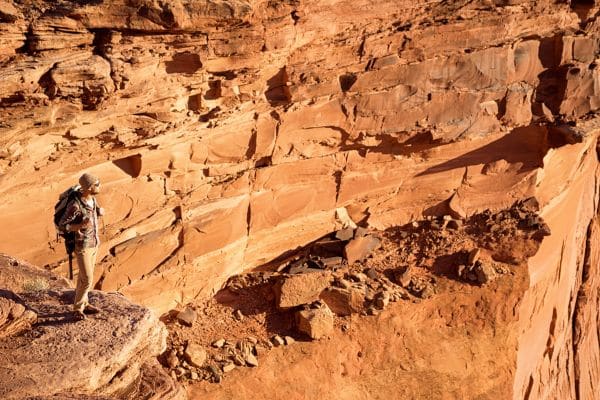
The desert rewards smart clothing. You’re not dressing for fashion or even comfort first, you’re dressing for sun control and steady body temperature.
What works well around Moab:
- Lightweight long sleeves and pants (breathable, sun-rated fabric if you have it)
- A wide-brim hat that shades ears and neck
- Sunglasses and broad-spectrum sunscreen
- Closed-toe shoes with good traction (slickrock can be grippy, but sand and ledges still trip people up)
- A small umbrella or sun shade can be surprisingly effective on exposed walks
Helpful extras that weigh almost nothing:
- A bandana or buff you can wet and wrap around your neck
- Extra salty snacks
- A basic first-aid kit and blister care
- A printed map or offline navigation since cell coverage can be spotty
One desert-specific note: the rock reflects light upward. That means you can burn under your chin and inside your nose more easily than you expect. Reapply sunscreen and don’t skip lip protection.
Know the Warning Signs
You don’t need to diagnose anything to stay safe. You just need to recognize when your body (or your kid’s body) is sending “slow down” signals and respond early.
Common early warning signs that should trigger a break in shade:
- Unusual fatigue or weakness
- Headache or dizziness
- Nausea or loss of appetite
- Muscle cramps
- Irritability or “not acting like themselves”
- Stopping sweating or looking flushed and overheated
What to do right away:
- Stop. Find shade (or create it with an umbrella, jacket, or sitting behind a boulder).
- Cool down: loosen clothing, wet a bandana, fan the skin.
- Sip water and consider electrolytes if you’ve been sweating.
- Shorten the plan: turn around or take the quickest route back.
Red flags (especially confusion, fainting, worsening symptoms, or inability to keep fluids down) are a reason to seek medical help immediately. If someone seems seriously ill, call emergency services. In remote areas, it can take time for help to arrive, so early action matters.
Kids, Older Adults, and Pets

Moab is family-friendly, but heat changes what “reasonable” looks like. Kids heat up faster, and they’re less reliable at noticing early symptoms. Older adults and anyone with health concerns may also be more vulnerable to dehydration and overheating.
Family-friendly heat habits:
- Choose short routes with easy exits
- Build in more shade breaks than you think you need
- Use a “snack and sip” rhythm: small sips and small bites often
- Check hands, faces, and mood often. If a child goes quiet or cranky, assume heat until proven otherwise.
For pets: hot desert ground can injure paws quickly, and dogs don’t cool the way humans do.
- If you can’t hold your hand on the ground for several seconds, it’s too hot for paws.
- Bring extra water for your dog and offer it often.
- Consider skipping the hike entirely on very hot days. A shaded picnic and a scenic drive can be the safer choice.
When in doubt, scale down. A short sunrise walk followed by pancakes beats a midday rescue scenario every time.
Route and Logistics
Heat safety isn’t just what you do on the trail. It’s also how you plan transportation, timing, and backup options.
Before you leave:
- Check the forecast and plan for the hottest part of the day to be “off trail.”
- Download maps for offline use and tell someone your plan.
- Pick a route with clear turnaround points (a viewpoint, a junction, a time limit).
Use a simple turnaround rule:
- Turn around when you’ve used about one-third to one-half of your water (depending on how far you are).
- Turn around if shade disappears sooner than expected.
- Turn around if anyone in the group is struggling, even a little.
Vehicle safety matters here, too. Cars become ovens quickly.
- Keep extra water, but don’t rely on it as your only supply.
- Never leave kids or pets in a parked vehicle, even “for a minute.”
- Park with your return in mind. If you’ll walk back across open pavement in the afternoon, that last stretch can feel brutal.
Finally, have a backup plan that still feels like a win: sunrise viewpoints, short interpretive walks, scenic drives, or a rest afternoon. The desert will still be there tomorrow.
Plan for the Heat, Enjoy the Experience
Moab rewards early mornings, patient pacing, and respect for the sun. If you remember just two ideas, make them these: start early and stay shaded. Add steady hydration, sun-smart clothing, and a willingness to turn around, and you’ve covered most of what keeps visitors safe.
Good Moab heat safety isn’t about being tough. It’s about being prepared, reading the conditions, and making choices that keep your trip fun from the first trailhead photo to the last sunset glance at the red rock.
Moab Heat Safety FAQs
Is dry heat really more dangerous than humid heat?
Dry heat can be deceptive. Because sweat evaporates quickly, you may not feel soaked or overheated even while losing a lot of fluid. This makes dehydration and heat stress easier to miss until symptoms show up suddenly.
That’s why Moab heat safety relies so heavily on proactive habits like early starts, steady drinking, and frequent shade breaks rather than waiting until you “feel hot.”
Are certain times of year riskier even if temperatures don’t seem extreme?
Yes. Late spring and early fall can be risky because visitors may not expect summer-like heat. Shoulder-season days in the desert can still reach high temperatures, especially with full sun and little wind. Moab heat safety applies whenever daytime highs and sun exposure combine, not just during peak summer months.
Can wind make heat exposure worse?
It can. While a light breeze may feel cooling, hot, dry wind accelerates fluid loss and can dry out skin and lips quickly. Wind also increases sun exposure by making conditions feel more tolerable than they actually are. Don’t let wind fool you into skipping water or shade breaks.
Are scenic drives and viewpoints safer alternatives on hot days?
They can be, as long as you still manage exposure. Even short walks from parking areas can involve intense sun and reflected heat. Bring water for these stops, wear sun protection, and don’t linger on exposed rock surfaces during peak afternoon heat.