
Moab in August: A 12-Part Series
Planning a trip to Moab in August means dealing with a desert that changes fast from season to season. Weather, crowd levels, trail conditions, and even park rules can look completely different depending on when you visit. This 12-Part Series breaks down what Moab is really like month by month so you can plan with confidence instead of guesswork.
Below you’ll find practical details on weather, what’s open, photography conditions, and how these factors shape your time in the parks. Whether you’re chasing sunrise light in Arches or heading out for longer hikes in Canyonlands, this month-specific guide gives you a clear picture of what to expect and how to make the most of your trip.
Table of Contents
Moab in August
Moab in August is similar to July, with hot days, warm nights, and often active monsoon patterns. The upside is somewhat lighter crowds and excellent night photography.
Weather in August
Average highs in August drop slightly into the mid 90s °F, with lows in the low to mid 60s °F. Afternoon thunderstorms remain common, with localized heavy rain, lightning, and sometimes hail.
Daylight is still long, though you will feel the gradual shift toward earlier sunsets.
- Hiking: Early and late, with careful heat and storm management.
- Driving: Mostly dry roads, with occasional localized flooding after storms.
- Photography: Amazing cloud formations, sunsets, and Milky Way sessions.
What’s Open in August
Everything is still in full summer operation, with a twist in Arches.
- Arches: No timed entry from July 7 to August 27. Timed entry resumes August 28 through October 31 between 7 am and 4 pm.
- Canyonlands: All districts open. Backcountry permits in demand but available with planning.
- State parks and town: Full services, with some late summer events and activities.
Crowd Levels in August
Moab in August has solid visitation, but heat keeps many casual visitors off trails in the middle of the day.
- Early and late hours at main viewpoints see steady but usually manageable crowds.
- Once school starts in some regions later in the month, crowds can dip, particularly on weekdays.
Photo Plan for Moab in August
August is another powerhouse month for dramatic light.
Key August subjects
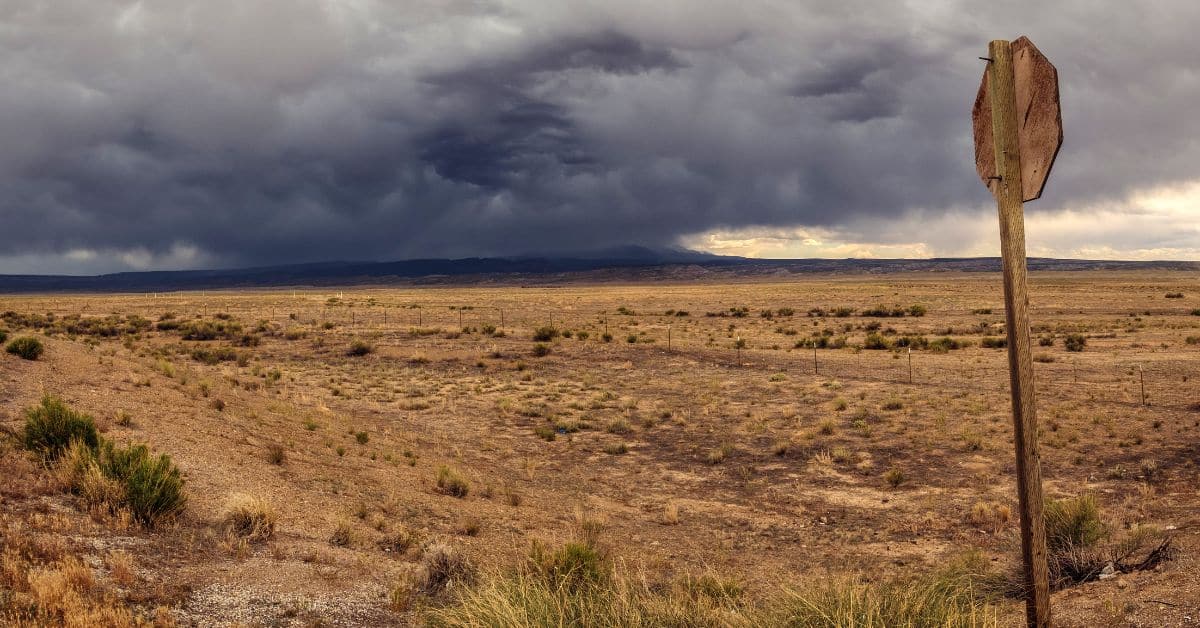
- Stormy skies and rain curtains
- Look for curtains of rain over distant mesas and canyons from high viewpoints.
- Milky Way core lower in the sky
- Evening and early night sessions can place the core nicely over arches and fins.
- Golden haze and long views
- Dust and humidity can create warm haze for layered canyon shots.
Daylight plan for Moab in August
- Pre dawn and sunrise:
- Delicate Arch, Windows, or Dead Horse Point, depending on where you went the evening before.
- Morning:
- Short hikes, avoiding long exposed climbs.
- Afternoon:
- Rest, indoor activities, or very short strolls near parking lots while watching storm development.
- Sunset and night:
- Dead Horse Point, Grand View Point, or Turret Arch.
- Night sessions at Balanced Rock, Garden of Eden, or Green River Overlook.
Recommended gear
- Similar to July – wide and midrange lenses, tripod, headlamp, rain cover, and dust protection.
- Consider adding a lightning trigger if you are experienced with storm photography and can keep safety first.
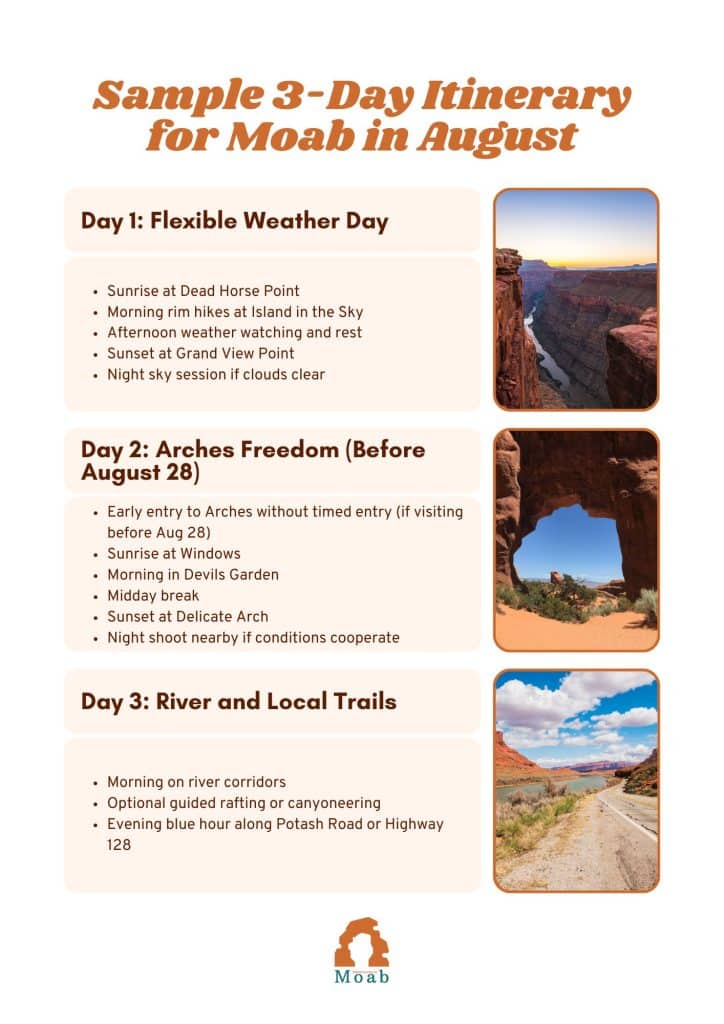
Sample 3-Day Itinerary for August
Packing and Gear List for August
- Same summer kit as July
- Extra memory and batteries for long night sessions
- Waterproof stuff sacks or dry bags for camera gear in storm prone afternoons
Safety and Road Conditions in August
- Treat monsoon storms with the same respect as in July.
- Do not cross flooded washes by foot or vehicle. Water can be deeper and stronger than it appears.
- Unpaved roads may close temporarily after major storms until they are safe again.
Visit Moab in August
Visiting Moab in August comes with its own mix of challenges and rewards, and knowing what the month brings helps you travel smarter, safer, and with better photos to show for it. Use this guide as your starting point, then build an itinerary that matches your comfort level, the weather, and the type of adventure you want most.
If you’re still deciding when to visit, or you want to compare conditions across the seasons, check out the other articles in the series. Each guide breaks down the same key details so you can quickly see how the desert shifts from winter to spring, summer, and fall. Exploring a few different months will help you pick the perfect time for your next Moab trip.
If you’re still choosing the perfect season for your trip, take a look at the other guides in this series.